What to Expect From Professional Pest Control Services Warren County
@andyenjn617
October 9, 2026 · 15 min read
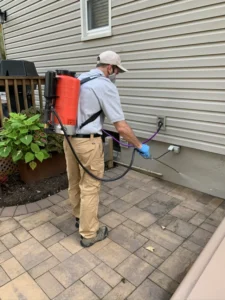
If you have never hired a pest control company before, the process can feel opaque. Many homeowners and business owners know they have a problem, but they do not know what professional service actually looks like once the truck pulls into the driveway. They may imagine a technician spraying baseboards, setting a few traps, and leaving. Good service is much more methodical than that.
Professional Pest Control Services Warren County usually begin long before any product is applied. The strongest companies approach pest control as a process of inspection, identification, correction, and follow-up. That matters because pests are rarely random. Ants trail because a moisture source or food source exists. Mice move indoors because a gap gives them access and a wall void gives them shelter. Wasps build because a protected overhang or soffit makes a good home. If the underlying conditions remain, the activity often returns.
Warren County properties also present a mix of conditions that can change what service looks like. Older homes may have stone foundations, crawl spaces, or settled entry points. Newer homes may be tightly built but still vulnerable around utility penetrations and garage thresholds. Rural properties often deal with larger perimeter pressure from rodents, stinging insects, and occasional wildlife movement. Commercial sites face a different layer of complexity, where sanitation practices, deliveries, shared walls, and customer traffic all influence pest behavior.
Knowing what to expect helps you ask better questions and judge whether a company is doing careful work or rushing through a route. A quality visit should leave you with a clear explanation of what was found, what was done, what needs to change on the property, and what comes next.
The first visit is usually an investigation, not just a treatment
A professional technician should spend time looking, not just spraying. That sounds obvious, but it is the biggest difference between routine service and guesswork. The first appointment often includes a conversation about what you have seen, when you have seen it, and where the activity is concentrated. A good technician will ask whether the problem is recent or recurring, whether anyone has already tried store-bought products, and whether there are children, pets, aquariums, or sensitive areas that may affect product choices.
Then comes the inspection. In a home, that may include baseboards, under sinks, attics, basements, crawl spaces, door sweeps, garage edges, utility lines, exterior foundation lines, mulch beds, and rooflines. In a restaurant or food handling setting, it may extend to floor drains, storage racks, receiving areas, grease zones, and employee break areas. The point is not to create drama. The point is to identify signs that tell the story: droppings, rub marks, nesting, frass, shed skins, grease trails, dead insects in light fixtures, moisture, or entry gaps.
This is where experience shows. A seasoned technician can often distinguish between a one-off invader and a breeding population. One spider in a basement is not the same as a moisture issue supporting recurring insects. A few ants on a counter may trace back to a simple food source, or to a colony that has shifted indoors after weather changes. Rodent droppings in a garage mean something different than fresh activity in a pantry cabinet.
If you call for Pest Control Services Warren County because you are hearing scratching at night, for example, the inspection should focus on both interior evidence and exterior access. It is not enough to place bait and leave. The company should be looking for gaps near roof returns, soffits, vents, utility entries, and foundation transitions. If they do not identify how the animal or rodent is getting in, the service remains incomplete.
Expect pest identification to shape the plan
Not all pests are treated the same way, and a competent company should explain why their approach fits the pest involved. This is especially important when customers assume that one product handles everything. It does not.
Ant control often depends on species. Pavement ants, odorous house ants, and carpenter ants behave differently and respond to different tactics. Foraging ants may be best managed with carefully placed baiting and exterior corrections rather than broad repellent use. Carpenter ants raise a different concern because they may signal wet, damaged wood and hidden nesting.
Cockroach work also varies. A light German roach issue in a kitchen requires a different strategy than large outdoor roaches entering through drains or thresholds. The technician may rely on targeted baits, growth regulators, crack-and-crevice applications, and sanitation recommendations rather than heavy broadcast treatment.
Rodent control is even more dependent on context. A detached garage with mice is different from a finished basement with repeated winter intrusions. One property may need trapping and exclusion. Another may need exterior bait stations plus sealing. Another may need storage changes because birdseed, pet food, or grass seed in easy-access bags is sustaining the problem.
Termite concerns deserve especially careful handling. A professional should explain whether they are seeing evidence of active infestation, old damage, conducive conditions, or simply a risk factor. Homeowners sometimes panic over winged insects near a window, but not every swarmer is a termite. Precise identification matters before treatment decisions are made.
When a company takes time to identify the pest correctly, the recommendations tend to become more sensible. You are less likely to be sold a generic package and more likely to get a plan that matches the biology of the problem.
You should receive a treatment plan that makes practical sense
After the inspection, the technician or office should be able to tell you what they propose, how often service is needed, and what result is realistic. Realistic is the key word. Quality companies rarely promise instant elimination in every scenario because pest control is often a staged process.
For a common household issue, treatment may happen the same day. For a larger infestation, especially with roaches, rodents, or bed bugs, multiple visits may be necessary. Some pests respond well to initial treatment and monitoring. Others require a combination of product application, exclusion work, environmental correction, and patience.
A sound treatment plan should cover several basics:
- what pest is being addressed
- where activity was found
- what products or methods will be used
- what preparation or cleanup the customer needs to do
- when follow-up should occur
If that information is vague, keep asking. You should not be left guessing whether you can mop the floors, let the dog back into the yard, or move stored items out of the garage. Clear communication is part of professional service, not an optional extra.
In Warren County, seasonality often affects timing and expectations. Spring may bring ant trails, termite swarmers, and wasp nest starts. Summer raises pressure from mosquitoes, stinging insects, and occasional pantry or fly issues in businesses. Fall tends to drive rodents and overwintering pests toward structures. Winter service often focuses on interior activity, monitoring, and exclusion repairs. A technician who understands the local cycle can set a better plan than someone following a one-size-fits-all script.
The best service is rarely all chemical and never all guesswork
One of the most common misunderstandings is that stronger pest control simply means more product. In reality, overapplication is not a sign of skill. The strongest results often come from a balanced approach that combines targeted material use with habitat correction and entry-point control.
This is where integrated pest management principles show their value, even if the technician never uses that exact phrase in conversation. The method is straightforward: identify the pest, understand why it is present, use the least excessive treatment that will work, and reduce the conditions that let it thrive. That could mean trimming vegetation away from siding, correcting drainage near a foundation, sealing a utility gap, repairing a torn screen, adjusting food storage, or reducing clutter in a storage room.
A good example is a recurring millipede or moisture-insect issue around a basement perimeter. Spraying may suppress activity, but if downspouts dump water beside the foundation and mulch sits wet against the wall, the pressure remains. A thoughtful technician explains both the treatment and the conditions feeding the problem. Customers sometimes interpret that as the company shifting responsibility back to them. It is not. It is honest pest control. Some problems cannot be solved fully by product alone.
The same principle applies in commercial settings. I have seen businesses spend money on repeated service while leaving obvious attractants untouched, open food, standing water, cardboard clutter, or receiving doors propped open for convenience. A strong pest company will say so directly, even if it is not what the customer wants to hear.
Safety questions are normal, and good companies expect them
Most customers want to know whether treatment is safe for children, pets, and daily living. That is a reasonable question, and a professional company should answer it clearly without getting defensive or vague. They should explain where materials are being applied, whether reentry time is needed, and whether any surfaces should be avoided until dry or ventilated.
That conversation should also include practical realities. If there is a fish tank, bird, reptile enclosure, or someone with particular sensitivities in the home, the technician needs to know. If a dog habitually licks patio surfaces or a toddler crawls heavily in a treated room, those details matter. A good company adjusts accordingly.
Safety is also about application quality. Properly placed bait inside a secured station is different from careless exposure. Targeted crack-and-crevice treatment is different from indiscriminate spraying across toys, dishes, or countertops. A professional should be able to describe not just the product category, but the reasoning behind placement and precautions.
If you are receiving recurring Pest Control Services Warren County, you should also know whether the plan changes by season and whether every visit involves the same degree of treatment. Many maintenance services rotate focus based on pressure and findings. Not every appointment needs to look dramatic to be useful. Sometimes the value lies in monitoring, catching a problem early, and reinforcing exclusion before a seasonal spike begins.
Exclusion and repairs may fall inside or outside the service scope
One point of confusion for many customers is whether the pest company also seals entry points or performs repairs. The answer depends on the company. Some offer full exclusion work. Others identify the issues and recommend a handyman, roofer, contractor, or wildlife specialist for repairs beyond basic sealing.
It is worth clarifying this early. If mice are entering through a badly damaged door sweep and an unscreened vent, ask whether those items will be corrected during service, quoted separately, or left to another contractor. If yellow jackets are entering a void through deteriorated trim, ask whether nest treatment and structural repair are both included.
This matters because the line between pest control and construction can blur. Sealing a small utility gap with appropriate material is routine. Replacing rotted fascia or rebuilding a chimney cap is another trade entirely. Honest companies stay in their lane and explain where that line is.
The quality of this guidance often separates strong operators from weak ones. If a technician points out three likely access points and explains which one is most urgent, that is useful judgment. If they simply say, "You have rodents, sign here for monthly service," you are not getting much expertise.
Follow-up is where many problems are actually solved
A single appointment can handle some pest issues. Others need follow-up to confirm whether activity has dropped, whether bait was accepted, whether traps caught anything, and whether new evidence appeared in overlooked areas. This is especially true for rodents, roaches, bed bugs, and persistent ant issues.
Expect a reputable company to discuss timing. They may want to return in a week or two for active infestations, or on a seasonal schedule for prevention. The reason is practical. Pest activity often changes after the first visit. Rodents alter movement patterns when traps appear. Ant trails may temporarily shift. Wasp activity may stop at one nest but reveal another under the eave line. Follow-up lets the technician refine the plan instead of assuming the first pass solved everything.
It also gives the customer a chance to report what changed. That feedback is valuable. One of the most useful details a homeowner can provide is not simply, "I still see bugs," but "We stopped seeing them in the kitchen, but now Pest Control Services Warren County there are a few in the laundry room after rain." That points the technician toward entry and moisture patterns.
For businesses, follow-up often has an added recordkeeping element. Property managers, restaurants, and healthcare facilities may need service logs, observations, and corrective-action notes. Professional providers are usually prepared for that and understand how inspection documentation supports compliance and accountability.
Pricing should be understandable, even when the problem is not simple
Pest control pricing varies with pest type, severity, structure size, treatment method, and service frequency. A one-time yellow jacket nest treatment is not priced like a comprehensive rodent exclusion project. A quarterly home plan differs from a restaurant account with weekly monitoring.
What you should expect is transparency. The company should explain whether the quote is for one visit, a service program, or affordablepestnj.com Pest Control Services Warren County a treatment package with follow-up included. Ask whether retreatments are covered, whether warranty terms apply, and what conditions can void a guarantee. If exclusion is recommended, ask whether that cost is separate.
Very low pricing can be a warning sign. It may reflect minimal inspection time, rushed application, or a service model based on repeated callbacks. On the other hand, the highest price does not automatically buy the best work. The better question is whether the scope is clear and whether the company is addressing the actual cause of the problem.
I have seen homeowners pay repeatedly for seasonal rodent service when a few targeted exclusion fixes would have reduced the need dramatically. I have also seen people reject a higher first quote, choose the cheapest option, and end up paying more after months of ineffective treatment. Cheap pest control often becomes expensive pest control once the problem lingers.
What homeowners can do before and after the appointment
You do not need to sterilize your house before a pest control visit, but a little preparation helps the technician work efficiently. If you know the issue is in a utility room, garage, pantry, or under a sink, clearing access saves time. If possible, make a note of where and when pests were seen. Photos can be surprisingly helpful, especially when the pest appears only at night or after rain.
After service, pay attention to the guidance you receive. If the technician asks you not to wipe out bait placements, move traps, or stack storage back against a wall immediately, follow that advice. If they recommend trimming shrubs off the siding or storing pet food in sealed containers, take it seriously. These are not throwaway suggestions. They are often the difference between temporary improvement and long-term control.
The most productive customers are usually not the ones who know the most about pests. They are the ones who communicate clearly and act on the recommendations that are within their control.
Signs you are dealing with a strong provider
Most people know how to spot bad service after the fact, once the problem persists and the explanations get fuzzy. It is more useful to know the positive signs up front. Look for these during your first interactions:
- they ask detailed questions before recommending treatment
- they inspect before making firm claims
- they explain both treatment and contributing conditions
- they set realistic expectations about timeline and results
- they document what they found and what they did
That last point matters more than people think. Written service notes, especially on recurring accounts, create continuity. If a different technician comes next month, the history is still there. That helps prevent the common frustration of having to explain the same problem from scratch every visit.
Why local experience matters in Warren County
There is no magic in geography, but local experience does count. Technicians familiar with Warren County tend to recognize seasonal patterns, common structural vulnerabilities, and the way local weather affects pest pressure. A wet spring can increase ant movement and moisture-related activity. A dry stretch can drive pests indoors toward water. Early cold snaps often trigger rodent calls in clusters. Homes near woods, fields, or water may face a different profile than a subdivision lot.
Local knowledge also sharpens judgment about what is routine and what deserves deeper concern. A trained eye knows when a few occasional invaders are normal for the property type and when a pattern points to a hidden entry issue, a void infestation, or a sanitation problem that needs immediate correction.
That is really what people are paying for when they hire professional Pest Control Services Warren County. Not just product. Not just labor. Judgment. Observation. Pattern recognition. A disciplined process. The best companies make the invisible visible. They show you where pests are getting in, what is sustaining them, what can be corrected now, and what needs watching over time.
When service is done well, the experience feels less like a quick spray visit and more like a focused property assessment with treatment attached. That is exactly what it should be.
Affordable Pest Solutions LLC
Budd Lake, NJ 07828 (service-area business)
Serving Warren, Morris and Sussex Counties, New Jersey
Phone: +1 973-229-9547
FAQ About Pest Control Services Warren County
How much does pest control cost in NJ?
The cost depends on the pest, the size of the property, the extent of activity and whether follow-up visits are needed. Ask for an inspection and a written estimate that explains the treatment scope and any ongoing service charges. Affordable Pest Solutions offers free estimates for properties in its service area.
What are the most common household bugs in New Jersey?
Ants, cockroaches, stink bugs and spiders are among the pests that residents may encounter in New Jersey homes. Activity varies by season, moisture conditions and available entry points. Correct identification helps determine whether exclusion, sanitation, monitoring or professional treatment is appropriate.
What kind of bugs infest homes?
Ants, cockroaches and termites can establish persistent activity in or around homes. The signs and appropriate response differ by pest: trails, droppings, shed wings or damaged wood may warrant closer inspection. A pest professional can identify the cause and recommend a plan suited to the property.