Pest Control Services Sussex County: Answers to Common Homeowner Questions
@andyenjn617
November 6, 2026 · 15 min read
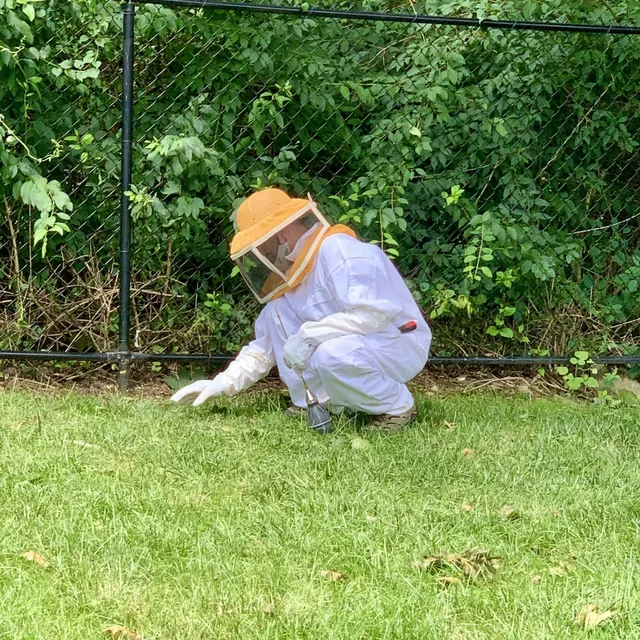
If you own a home in Sussex County, pest problems are not abstract. They show up in the pantry at night, in crawl spaces after heavy rain, around foundation lines in spring, and in wall voids once temperatures drop. One season brings ants and mosquitoes, another brings mice looking for warmth, and in some neighborhoods, termites are a real concern year-round. Homeowners usually start with one simple question: do I really need professional help, or can I handle this myself?
That question deserves a straight answer. Sometimes a targeted store-bought product and a bit of persistence are enough. Sometimes they are not. The difference usually comes down to pest biology, building conditions, moisture, and how early the issue is caught. The reason many people search for Pest Control Services Sussex County is that local conditions matter. A treatment approach that works in a dry, newer subdivision may not be the right fit for an older home near woods, wetlands, or a damp crawl space.
What follows are practical answers to the questions homeowners ask most often, with the kind of detail that actually helps when you are deciding what to do next.
Why Sussex County homes deal with recurring pest pressure
Sussex County gives pests what they need. There is abundant moisture, changing temperatures, wooded lots, agricultural areas, older housing stock in some communities, and a steady supply of food and shelter around human homes. That mix creates recurring pressure rather than one-time invasions.
A typical example is the house that backs up to trees with mulch beds around the foundation. It looks great, but it also holds moisture and creates cover for ants, earwigs, spiders, and sometimes rodents. If there is also a leaky spigot, clogged gutter, or low spot near the crawl space, the problem becomes easier to predict. Pests are not appearing at random. They are following water, warmth, and protected travel routes.
That is one reason good pest control is rarely just about spraying. The most effective work combines treatment with inspection and correction of the conditions that keep the infestation alive.
What pests are most common for local homeowners?
The exact list changes by property type and season, but a handful of issues come up again and again in residential service calls. Ants are near the top, especially around kitchens, bathrooms, and exterior entry points. Odorous house ants can be persistent because the visible trail is only part of the colony story. Carpenter ants are a separate concern because they can signal moisture-damaged wood and structural void activity.
Rodents are another steady concern, especially mice in fall and winter. A mouse can fit through a gap much smaller than most homeowners expect, and once inside, it will use insulation, stored items, and wall voids as cover. Rats are less common than mice in many residential settings, but where food sources and harborage are present, they can establish quickly.
Termites worry homeowners for good reason. Not every suspicious wood issue turns out to be termite activity, but when termites are present, delay usually makes the problem more expensive. Moisture around foundations, wood-to-soil contact, and hidden structural areas all increase risk.
Stinging insects peak when families are outdoors more often. Wasps, hornets, and yellowjackets create not just annoyance but safety concerns, particularly for households with children, older adults, or anyone with an allergy. A nest under a deck, inside siding, or in a soffit can turn a normal afternoon into an urgent call.
Cockroaches, spiders, mosquitoes, fleas, and occasional invaders like stink bugs also show up regularly, though their severity varies by neighborhood and housekeeping is only one small part of the picture. Clean homes get pests too. The difference is often access and habitat, not personal habits.
When should you call a professional instead of trying DIY first?
A lot of homeowners feel they should try something on their own before paying for service. That instinct is understandable. For a light trail of ants near a window or the first mosquito outbreak of the summer, a homeowner can sometimes make meaningful progress with sanitation, exclusion, and a targeted retail product.
The problem is that many pests are easier to suppress than to eliminate. You may kill what you see without touching the nest, the entry point, or the reproduction cycle. That can create a false sense of success for a week or two, followed by a bigger resurgence.
Professional service makes the biggest difference when the problem is established, hidden, seasonal, or tied to the structure itself. Termites, rodents in walls, recurring roaches, and stinging insect nests built into voids fit that description. So do situations where children, pets, or medically sensitive residents require careful product selection and placement.
Here are some signs that a problem has moved beyond a simple DIY fix:
- You keep seeing pests after two weeks of your own treatment.
- The activity is inside walls, ceilings, crawl spaces, or attic areas.
- You have droppings, gnaw marks, mud tubes, damaged wood, or nest material.
- Someone in the home has a sting allergy, asthma, or chemical sensitivity.
- The pests return season after season in the same area.
That list is not meant to push every homeowner into a service plan. It is simply the point where experience matters. A seasoned technician can often tell within minutes whether the issue is active, where it started, and whether treatment alone will solve it.
How much should homeowners expect from the first visit?
A good first visit should be more than a quick application around the base of the house. At minimum, it should include a conversation about what you have seen, where you have seen it, and when the activity started. Timing matters. Seeing winged insects after rain, hearing scratching only at night, or finding ants mainly after the dishwasher runs are clues, not side notes.
Inspection usually comes next. That means exterior entry points, foundation lines, door sweeps, utility penetrations, garage edges, attic access where relevant, moisture-prone zones, and the interior spots tied to your complaint. If the issue is rodents, a technician should be thinking in terms of travel routes and entry holes. If the issue is termites, they should be looking for conducive conditions, not just visible insects.
Then comes the plan. Homeowners deserve to know what is being treated, why that method was chosen, what result to expect, and how long it may take. Immediate knockdown is not the same as full control. Ant colonies may require time for baits to circulate. Rodent control may involve trapping, exclusion, and follow-up. Mosquito reduction is usually management, not permanent elimination.
When service is done well, the homeowner leaves the conversation understanding both the treatment and the conditions that need correction.
Are the products safe for children and pets?
This is usually the first question after scheduling, and it should be. The short answer is that pest control products can be used responsibly, but safety depends on the product, the placement, the application rate, and whether directions are followed exactly.
The biggest misconception is that all pest control is the same. It is not. A crack-and-crevice treatment inside a kitchen cabinet is different from a perimeter application outdoors. A tamper-resistant rodent bait station is different from loose bait. A bait gel placed in hidden areas is different from a broadcast spray. The details matter.
Professional companies should be able to explain where materials will be applied, whether reentry time is needed, and what precautions to take for pets, children, aquariums, or sensitive individuals. In many cases, modern treatment programs rely heavily on targeted placements and nonchemical corrections such as sealing gaps, reducing moisture, and removing food sources. That approach often lowers overall exposure while improving long-term results.
If a homeowner has concerns, it helps to say so before the visit begins. That gives the technician time to adapt the plan or recommend alternatives.
Why do pests come back after treatment?
This is one of the most frustrating experiences for homeowners, and it usually happens for one of four reasons: the source was not fully addressed, the species was misidentified, conducive conditions remained in place, or the expectation was unrealistic for that pest.
Take ants. If the nest is outside under pavers and workers are entering through a small siding gap, treating the kitchen alone will not fix the issue. The visible ants are only the symptom. With German cockroaches, eggs and hidden harborage can make one service insufficient, especially in cluttered or moisture-heavy conditions. With mice, trapping the ones inside helps, but if quarter-inch gaps remain around utility lines, new mice may enter.
There is also a timing issue. Some pests respond in days, others in weeks. Homeowners often expect all activity to stop immediately, but in practice, successful treatment can temporarily increase visible movement as pests are flushed from harborages or interact with bait.
The better question is not “Why did I still see one?” but “Is the overall pattern improving?” Reduced sightings, shorter ant trails, declining droppings, fewer bites, and no new damage are the indicators that matter.
Do you need one-time treatment or an ongoing service plan?
That depends on the pest and the property. One-time service Pest Control Services Sussex County can make sense for a wasp nest, a localized ant issue, or a specific event like fleas after a pet incident. But many homes benefit from ongoing service because the pest pressure is ongoing. In Sussex County, homes near woods, water, or agricultural edges often deal with repeated seasonal activity that is hard to prevent with one visit a year.
Ongoing plans are most useful when they include monitoring and adjustment, not just routine applications. A house that sees ants in spring, mosquitoes in summer, spiders in fall, and mice in winter may need a year-round strategy with different emphasis each season. That is very different from repeating the same treatment mechanically every quarter.
Homeowners should ask what the plan actually covers. Does it include follow-up if pests return between visits? Are termites separate? What about mosquitoes, ticks, wildlife, or bed bugs? The term “pest control” can cover a lot, and assumptions lead to disappointment.
What can homeowners do before and after a service visit?
Preparation affects results more than most people realize. For some services, very little is needed. For others, especially interior treatments for roaches, fleas, or bed bugs, preparation can be the difference between success and repeated callbacks.
A practical prep checklist looks like this:
- Clear access to problem areas such as sinks, baseboards, attic hatches, or crawl space doors.
- Store food, dishes, and pet bowls as instructed before interior treatment.
- Vacuum where recommended, especially for fleas or visible debris around baseboards.
- Fix obvious moisture issues if possible, including leaks under sinks or near hose bibs.
- Ask when children and pets can safely reenter treated spaces.
After service, follow-through matters. If you were told to leave baits undisturbed, do that. If sealing exterior gaps is part of the recommendation, schedule it. If sanitation was flagged, address it without treating that advice as a personal criticism. Pest control works best when treatment and property maintenance support each other.
Are termites common enough to worry about?
Yes, termites are common enough in many parts of the region that they should be taken seriously. That does not mean every home has them or that every suspicious bit of wood damage points to termites. It does mean homeowners should not ignore warning signs like mud tubes, blistering wood, discarded wings near windows, or moisture problems around structural wood.
A lot of costly termite situations begin quietly. There may be no dramatic swarm in the living room. Instead, there is a damp sill plate in a crawl space, mulch piled too high against siding, or a deck post with soil contact that stays wet after rain. By the time visible damage appears, the colony may have been active for quite a while.
If you are buying a home, selling one, or have an older structure with known moisture issues, a proper inspection is worth the attention. The same applies if neighbors have had termite activity. Colonies do not respect property lines.
What should you look for in a pest control company?
Homeowners often compare price first, which is understandable, but price alone is a poor shortcut. The better approach is to look at how the company thinks. Do they ask specific questions? Do they inspect before recommending treatment? Do they explain what they found in plain language? Do they distinguish between a one-time nuisance issue and a structural or recurring problem?
Local experience matters. A company familiar with Pest Control Services Sussex County should understand regional seasonality, common construction types, moisture patterns, and the practical realities of local properties, from finished basements to crawl spaces to homes bordering woods. That experience often shows up in small but important ways, like recognizing where mice typically enter in a split-level home or why a low deck attracts yellowjackets late in summer.
Clear communication matters just as much. Homeowners should know what is covered, whether follow-up is included, what preparation is needed, and what outcomes are realistic. If the explanation is vague, rushed, or overly sales-driven, that is worth noticing.
Can weather really change pest activity that much?
Absolutely. Warm winters can extend activity windows and improve survival for certain pests. Heavy rain can drive insects indoors or create mosquito breeding sites. Drought can send pests toward irrigated landscapes and interior moisture sources. A stretch of cold weather in late fall often triggers rodent movement into homes with predictable timing.
This is one reason treatment plans should adapt through the year. A spring ant strategy is not the same as a late-summer stinging insect approach or a fall rodent exclusion plan. Homeowners sometimes interpret changing recommendations as inconsistency, but in reality it is often a sign that the company is responding to actual pest pressure rather than applying the same formula year-round.
Why exclusion and maintenance matter more than homeowners expect
Treatment can knock down an active issue, but exclusion is what keeps many problems from repeating. That means sealing gaps at siding transitions, replacing worn door sweeps, screening vents properly, trimming vegetation off the house, correcting drainage, and reducing moisture around the foundation.
I have seen homes where a tiny garage door corner gap was the entire reason mice kept appearing each winter. I have seen ant complaints disappear after a leaking exterior spigot was repaired and mulch was pulled back from the siding. Those fixes are not glamorous, but they work because they remove what the pest was using.
The same logic applies indoors. A bathroom fan that vents poorly into an attic can support moisture-loving pests and secondary wood issues. Cardboard storage on a basement floor creates protected harborage. Pet food left out overnight can support both ants and rodents. None of this means the homeowner caused the infestation in a moral sense. It simply means pests are practical, and so should the response be.
What if you only see pests occasionally?
Intermittent sightings are easy to dismiss, but they should still be interpreted carefully. One spider in a basement is not the same as repeated spider webs in several corners plus a steady supply of insects they are feeding on. One mouse in a garage may not equal an infestation, but one mouse in the kitchen often means there is an entry point worth finding fast.
Patterns matter more than isolated moments. Note where the pest appeared, the time of day, the weather, and whether activity is tied to food, moisture, or exterior doors. A homeowner who can say, “We see small ants every April at the same south-facing window after rain,” gives a technician a much better starting point than “We get bugs sometimes.”
That kind of observation can save time, reduce unnecessary treatment, and lead to a more precise fix.
The real value of professional pest control
The value is not just in the products. It is in diagnosis, timing, placement, follow-up, and judgment. Most homeowners can buy something that kills insects on contact. What they cannot easily buy is the trained eye that distinguishes termites from ant swarmers, a moisture issue from a sanitation issue, or a temporary nuisance from a structural risk.
That judgment is what turns Pest Control Services Sussex County from a generic search term into a practical local service. The best providers do not simply apply material and leave. They identify the why behind the problem, explain the trade-offs honestly, and help homeowners make decisions that fit the house, the season, and the level of risk.
For Sussex County homeowners, that matters because pest pressure here is rarely one-dimensional. It is tied to the land, the weather, the construction of the home, and the habits of the species involved. When you understand that, pest control stops feeling mysterious. It becomes a straightforward process of inspection, correction, and targeted treatment, done well and done at the right time.
Affordable Pest Solutions LLC
Based in Budd Lake, New Jersey 07828
Service area: Sussex County, Morris County, and Warren County, New Jersey
+1 973-229-9547
FAQ About Pest Control Services Sussex County
What is included in a pest control service in NJ?
A visit generally starts with an inspection to identify the pest and assess activity, access points, and contributing conditions. The proposed service may include treatment, monitoring, exclusion recommendations, and follow-up. Ask which pests and areas are covered by the written quote.
How much does a pest controller charge in NJ?
Pricing depends on the pest, property size, severity of activity, and work required. A single treatment and an ongoing plan can have different costs and coverage. Request an inspection-based estimate that explains the included work, follow-up fees, and warranty terms.
How to prepare my home for pest control?
Ask for instructions specific to the planned service. The technician may need access to inspection areas and may ask you to move belongings or protect food and dishes. Mention pets, aquariums, and any household concerns beforehand. Follow the product label and the technician's instructions about leaving and re-entering treated areas.