How Pest Control Services in Sussex County Address Repeat Infestations
@andyenjn617
November 6, 2026 · 16 min read
A one-time pest problem is frustrating. A repeat infestation is something else entirely. It raises a harder question, one that experienced technicians hear all the time in Sussex County: why did the pests come back after treatment?
That question matters because recurring activity usually points to a deeper issue than a missed spray or a single overlooked nest. In homes, apartment buildings, restaurants, and seasonal properties near the shore, repeat infestations often happen when the original conditions that attracted the pests were never fully corrected. The visible insects or rodents may have been reduced, but the access points, food sources, moisture conditions, or structural gaps remained untouched. In other cases, the first treatment worked exactly as intended, but neighboring pressure, weather swings, or poor sanitation brought the problem right back.
This is where professional judgment makes the difference. Reliable Pest Control Services Sussex County residents use for persistent problems do not approach a repeat infestation as a simple do-over. They treat it as an investigation. The goal is not just to knock pest numbers down again. The goal is to identify why the property is still vulnerable and close that loop for good.
Why repeat infestations happen in the first place
Repeat activity usually falls into one of three categories: reinfestation from outside, survival of an original population, or a completely separate pest issue that looks similar to the first one. Those distinctions matter because the response changes depending on the cause.
Take ants, for example. A homeowner may see ants in the kitchen in May, have them treated, and assume the issue is settled. Then in July, the ants return. That does not always mean the first treatment failed. In Sussex County, where seasonal moisture, landscaping mulch, shaded foundations, and mature tree cover are common, ants can shift their nesting behavior throughout the warmer months. A colony in a wall void may have been affected, but another satellite colony outside may still be feeding and sending workers indoors.
Rodents create a different pattern. Mice can be reduced quickly, but if a structure has gaps around utility lines, garage door corners, roof intersections, or crawl space vents, a new wave can move in as soon as weather changes. During the fall, this is common. As nighttime temperatures drop, even a well-kept home can become attractive if it offers warmth and food access.
Cockroaches, especially in multifamily housing or food service settings, are often tied to sanitation pressure, hidden moisture, and adjoining units. In those cases, one apartment can be treated thoroughly and still see renewed activity because the problem extends beyond a single address.
Termites and stinging insects follow yet another pattern. Swarms may appear seasonally, and homeowners sometimes mistake a new event for a failed service. The truth can be more complicated. A termite swarm does not automatically mean a previous treatment broke down, and a new wasp nest under the eaves does not mean last year’s nest was missed. Good pest management depends on understanding the biology of the species involved, not just reacting to the sighting.
The Sussex County factor
Pest control is local, even when the species are common everywhere. Sussex County presents a mix of conditions that can make repeat infestations more likely if services are not tailored to the property.
Older homes often have settling gaps, mixed construction materials, and additions built across different decades. Those details create hidden entry points that generic treatments miss. Shore-adjacent homes and vacation properties face another challenge: periods of vacancy. When a property sits quiet for weeks, minor leaks, crumbs, standing water in drains, or unnoticed openings can develop into ideal pest conditions before anyone notices.
Rural and semi-rural sections of the county bring pressure from surrounding fields, wooded edges, sheds, barns, and crawl spaces. In town settings, tighter lot lines and shared walls can mean pests move easily between structures. Restaurants, food markets, and hospitality businesses deal with daily deliveries, trash handling, grease, and frequent door openings, which all increase opportunities for recurring activity.
An experienced local technician does not treat every repeat infestation the same way because the environment around the property changes the likely cause.
The first thing professionals do differently on a callback
The biggest mistake in repeat pest work is assuming the first answer is still the right answer. Skilled technicians slow down and reassess.
A proper callback is not just a second treatment around the baseboards. It starts with questions. What changed since the last visit? Where exactly are pests being seen now? Are sightings happening at certain times of day, after rain, near one appliance, or in a specific room? Has there been new construction, landscaping work, recent travel, or changes in trash storage?
Then comes inspection, and on repeat cases, inspection often gets more detailed than the original service. A technician may spend more time checking attic insulation for rodent runs, probing exterior wood, pulling back equipment in a commercial kitchen, tracing plumbing penetrations, checking moisture around a dishwasher, or looking for activity on the side of the home that receives less sun and stays damp longer.
In many cases, the repeat issue is not where the customer thinks it is. I have seen homeowners focus on the bathroom where silverfish Pest Control Services Sussex County kept showing up, only for the real driver to be a humid crawl space directly below. I have seen recurring pantry moth complaints that turned out to be bird seed stored in a garage cabinet. Repeats often require a broader lens.
Identification matters more the second time
If pests return after service, correct identification becomes even more important than it was at the start. This sounds basic, but it is one of the most common reasons a problem lingers.
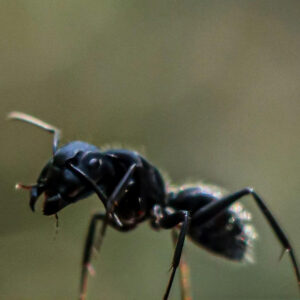
Small black ants are a classic example. To most homeowners, ants are ants. To a pest professional, there is a meaningful difference between odorous house ants, pavement ants, carpenter ants, and little black ants. Their nesting habits differ. Their food preferences differ. The products and placement strategies that work best can differ too.
The same goes for stored product pests. Indian meal moths, cigarette beetles, and grain beetles may all show up around kitchens and pantries, but their source can be very different. If the source is not found and removed, repeat activity is almost guaranteed.
Rodent work also depends on precision. Mouse droppings and rat droppings signal different behavior patterns, travel routes, and harborage preferences. A treatment plan that assumes one when the property actually has the other can drag the problem out unnecessarily.
This is why strong Pest Control Services Sussex County property owners rely on spend time confirming species before escalating treatment. If the diagnosis is off, everything that follows is less effective.
What a deeper inspection typically uncovers
On repeat infestations, the second or third look often reveals conditions that were not obvious during the first visit. Some are subtle. Some are surprisingly simple.
Here are the issues technicians most often uncover when pests keep coming back:
- Small structural openings around pipes, siding joints, soffits, vents, or door sweeps.
- Hidden moisture from leaks, condensation, poor grading, or clogged gutters.
- Food access that seems minor to the owner, such as pet food storage, grease buildup, or bird seed.
- Outdoor habitat close to the structure, including dense mulch, stacked firewood, leaf litter, or overgrown shrubs.
- Shared-wall or neighboring pressure in condos, townhomes, or closely spaced buildings.
None of these conditions is unusual. What matters is how they interact. A narrow foundation gap by itself may not lead to a major problem. Add damp mulch, an overwatered flower bed, and a nearby kitchen trash pullout, and the property becomes far more attractive to ants, roaches, or earwigs. Add a utility penetration behind a stove, and now there is a reliable indoor route as well.
Treatment changes when the infestation repeats
A repeat infestation usually calls for a broader plan, not just more product. Reputable companies know that piling on chemical treatment rarely solves a structural or sanitation problem.
For crawling insects, professionals may shift from a general perimeter treatment to a more targeted integrated approach. That can mean using baits in specific foraging areas, applying dusts into wall voids, treating exterior nesting zones, and pairing the service with exclusion and moisture correction. If the first visit focused on immediate relief, the repeat visit often focuses on colony disruption and long-term denial of access.
For rodent problems, the adjustment may include a detailed exclusion program. Traps and bait stations can reduce current numbers, but if entry points stay open, the property remains part of the local rodent traffic pattern. Effective repeat-service rodent work often includes sealing gaps with appropriate materials, improving storage practices, and repositioning devices based on new evidence like rub marks or fresh droppings.
For cockroaches, especially German cockroaches, follow-up service often Pest Control Services Sussex County affordablepestnj.com becomes more disciplined and granular. Instead of broad treatment alone, the technician may use rotating bait placements, insect growth regulators, crack-and-crevice work, appliance-area treatment, and tighter scheduling. In apartments and restaurants, control efforts often expand to include management, neighboring units, or back-of-house procedures.
For termites or wood-destroying insects, persistent signs may trigger a closer review of the original treatment zone, structural moisture, wood-to-soil contact, or inaccessible construction features. Sometimes the answer is additional treatment. Sometimes it is repair work and better drainage.
The pattern is consistent across pests: the second round succeeds when it is more informed, more focused, and more corrective.
Exclusion is where many repeat problems are finally solved
Exclusion does not sound glamorous, but it is one of the most powerful tools in pest control. When infestations keep returning, the issue is often less about eliminating every last individual pest and more about stopping the steady stream of new ones.
In Sussex County homes, common exclusion work includes sealing utility gaps, repairing torn screens, adjusting door sweeps, screening vents, sealing siding gaps, and correcting garage door edge gaps. In crawl spaces and basements, it may involve closing foundation penetrations, improving vent screening, and managing humidity. In commercial settings, it can be as practical as changing a rear delivery door sweep or relocating dumpsters farther from an entrance.
There is a trade-off here that good professionals explain honestly. Exclusion work can add cost upfront, and some owners hesitate when they compare it to a simpler treatment-only visit. But on a repeat problem, exclusion is often the more economical choice over time. A $200 to $600 repair or seal-up measure can prevent months of repeated callbacks, product use, and disruption. The exact numbers vary by property and scope, but the principle holds.
Sanitation and housekeeping are not side issues
Customers sometimes hear “sanitation” and assume the technician is blaming them. That is not what experienced professionals mean. A clean-looking property can still support pests, and some repeat infestations are tied to very specific housekeeping details that have little to do with general tidiness.
A spotless kitchen can still have roach pressure if there is condensation under a fridge and food residue beneath the compressor tray. A well-maintained home can still get mice if dry goods are stored in thin bags in a utility room next to a garage. A rental property can look perfectly presentable during the day and still have overnight ant access from sugary recycling residue.
The role of sanitation in repeat infestations is really about resource denial. Pests stay where food, water, and shelter are dependable. When professionals address repeat cases, they often coach customers on practical changes, not idealized perfection. Store pet food in sealed containers. Empty indoor trash more frequently during warm months. Rinse recyclables. Reduce cardboard storage in damp areas. Fix the slow leak under the sink, even if it only drips occasionally.
That kind of advice is not filler. It is often what separates temporary relief from lasting control.
Why follow-up schedules matter
A repeat infestation is rarely solved by one dramatic visit. The best results usually come from scheduled follow-up that tracks what changed after the first corrective steps.
This is especially true for pests with hidden life stages or scattered harborages. Roaches may require several visits to gauge bait acceptance and interrupt reproduction. Rodents may need a sequence of trap checks and exclusion adjustments before the technician is confident the active population is gone. Ant activity may decrease significantly, then briefly spike as disturbed colonies shift foraging trails before collapsing.
Homeowners sometimes worry when they still see some pest activity shortly after service. A good provider explains what is expected and what is not. With some treatments, seeing less activity over one to three weeks is normal. With others, especially urgent rodent or stinging insect problems, the response should be faster. Setting those expectations matters because it prevents confusion and helps determine when a repeat issue is actually a treatment failure versus part of the control process.
Communication is part of the service, not an extra
When infestations recur, trust becomes fragile. Customers start wondering whether they wasted money, whether the company rushed the first job, or whether the problem is larger than anyone admitted. Clear communication is one of the strongest indicators of a competent pest service.
The best technicians document where activity was found, what products or tools were used, what conditions need correction, and what the customer should watch for next. They do not hide behind vague language. If a property is high-risk because of shared walls, chronic moisture, heavy exterior pressure, or deferred repairs, they say so.
That transparency helps everyone make better decisions. A homeowner may choose a more aggressive exclusion package once they understand why the mice keep reappearing. A restaurant manager may authorize deeper cleaning behind cook lines when they see how recurring roach activity maps to grease accumulation. A landlord may finally address plumbing leaks after repeated silverfish or drain fly complaints make the pattern impossible to ignore.
Different properties require different repeat-infestation strategies
Not every property in Sussex County is managed the same way, and repeat infestations reveal that quickly.
Single-family homes benefit most from combining treatment with maintenance and exclusion. Seasonal homes need pre-arrival inspections, moisture monitoring, and plans for long vacancy periods. Rental units often require coordination between tenants, owners, and neighboring units. Restaurants and retail spaces need tighter service intervals and stricter procedural changes because even small recurring issues can affect reputation and compliance.
A beach-area property, for instance, may struggle with moisture-related pests because windows stay closed for stretches and humidity builds up indoors. A farmhouse on the edge of open land may never eliminate all exterior rodent pressure, so the goal becomes durable exclusion and constant monitoring rather than expecting zero environmental presence. A downtown storefront may need to focus on rear-entry sanitation and delivery-door management more than perimeter spraying.
Experienced Pest Control Services Sussex County companies tend to stand out here. They know the local building styles, the seasonal shifts, and the difference between a nuisance issue and a structural invitation to pests.
What homeowners and managers can do between visits
Professional service works best when the property owner handles the conditions only they can control. That does not mean taking over the job. It means supporting the plan.
A few steps make a measurable difference:
- Report exactly where and when pests are seen, rather than saying they are “everywhere.”
- Do not use off-the-shelf sprays in treated areas unless the technician says it is fine, because this can disrupt baits and tracking.
- Address leaks, standing water, and broken sweeps promptly.
- Store food, pet items, and dry goods in sealed containers when possible.
- Keep follow-up appointments, even if activity seems lower.
That second point deserves emphasis. Store-bought aerosol products often interfere with professional baiting programs. People understandably want to act fast when they see a roach or ant trail, but random spraying can repel pests into new harborages and make colony-level control harder.
When repeat infestations point to a larger issue
Sometimes a recurring pest problem is not just a pest problem. It is a property condition problem.
If termites keep appearing, there may be moisture intrusion or hidden wood contact that needs repair. If rodents return every season, the building envelope may have multiple unresolved breaches. If drain flies persist, the issue may involve plumbing buildup or drainage defects. If cockroaches continue in a multifamily setting despite repeated treatment, the underlying problem may be building-wide sanitation inconsistency or untreated neighboring units.
This is where good pest professionals earn their keep. They know when to treat, when to monitor, and when to tell the customer that a contractor, plumber, roofer, or property manager needs to step in. Not every pest recurrence can be solved with product alone, and pretending otherwise wastes time.
The real measure of success
People often judge pest control by the speed of the first visible result. That matters, of course. If you call for help, you want relief. But with repeat infestations, the better measure is whether the property becomes less vulnerable over time.
A successful service call reduces current activity. A successful pest management program changes the conditions that allowed that activity to take hold again. That is the difference between temporary suppression and durable control.
In practice, that means inspection gets sharper, identification gets more precise, treatment gets more targeted, and property corrections become part of the plan. It also means homeowners, landlords, and business operators hear the truth about what is sustaining the problem, even when the answer is not as simple as “we need to spray again.”
That is how persistent infestations are actually solved in Sussex County. Not through guesswork. Not through the strongest product on the shelf. Through careful diagnosis, local experience, follow-through, and a willingness to deal with the real cause instead of the most visible symptom.
Affordable Pest Solutions LLC
Based in Budd Lake, New Jersey 07828
Service area: Sussex County, Morris County, and Warren County, New Jersey
+1 973-229-9547
FAQ About Pest Control Services Sussex County
What is included in a pest control service in NJ?
A visit generally starts with an inspection to identify the pest and assess activity, access points, and contributing conditions. The proposed service may include treatment, monitoring, exclusion recommendations, and follow-up. Ask which pests and areas are covered by the written quote.
How much does a pest controller charge in NJ?
Pricing depends on the pest, property size, severity of activity, and work required. A single treatment and an ongoing plan can have different costs and coverage. Request an inspection-based estimate that explains the included work, follow-up fees, and warranty terms.
How to prepare my home for pest control?
Ask for instructions specific to the planned service. The technician may need access to inspection areas and may ask you to move belongings or protect food and dishes. Mention pets, aquariums, and any household concerns beforehand. Follow the product label and the technician's instructions about leaving and re-entering treated areas.